Basement Waterproofing After a Flood: Next Steps for Recovery
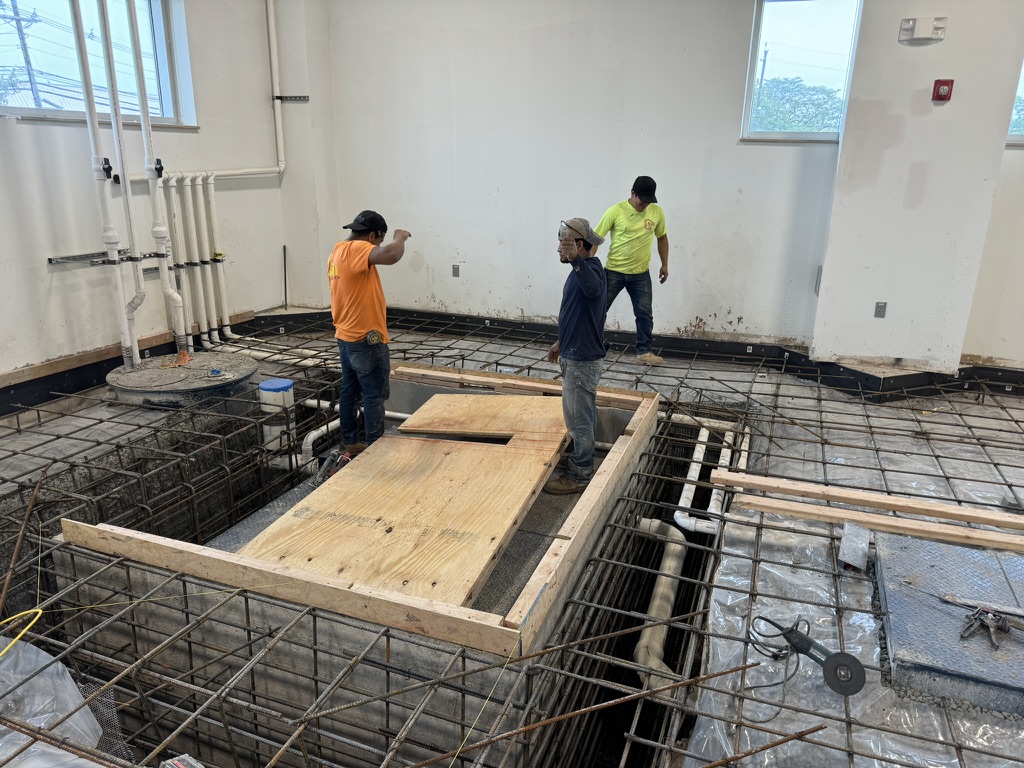

A flooded basement has a way of collapsing time. In a matter of hours, a space that stored family records, seasonal decorations, tools, appliances, or finished living areas can turn into a damp, contaminated mess. The first impulse is usually to get the water out and start scrubbing. That matters, but recovery is not just cleanup. It is diagnosis, repair, and prevention, in that order.
Basement waterproofing after a flood is often misunderstood because people assume the flood itself tells the whole story. It rarely does. Sometimes the water came from a one-time plumbing failure. Sometimes it exposed a drainage problem that has been quietly building for years. Sometimes a basement that stayed dry through ten storms suddenly fails because a sump pump quit, grading settled, or a foundation crack widened enough to matter. The right next steps depend on reading those clues correctly.
Homeowners who move too fast often spend money twice. They replace drywall, flooring, and trim before moisture levels are safe, then discover mold, recurring seepage, or hidden structural damage. The best recoveries are methodical. They protect health first, stabilize the building, and only then move into waterproofing upgrades and rebuilding.
Start with safety, not salvage
Before you touch anything, make sure the basement is safe to enter. Standing water around electrical outlets, appliances, extension cords, or your service panel is an obvious red flag, but there are quieter hazards too. Gas-fired water heaters, furnaces, and boilers can be compromised by floodwater. If you smell gas, leave immediately and call the utility. If the flood was deep enough to reach electrical equipment, have a licensed electrician inspect before power is restored to that area.
Water category matters. Clean water from a broken supply line is one thing. Gray water from appliances or rain mixed with dirt is another. Water that backed up from a sewer or crossed a contaminated surface should be treated as hazardous. In practice, many flooded basements contain a mix. Once carpet, insulation, boxes, and wood absorb that water, the distinction matters less than people hope. Porous materials can become unsafe quickly.
If floodwater has been standing for more than a day or two, or if the source included sewage, it is usually worth bringing in a mitigation crew with proper protective gear, extraction equipment, air movers, and dehumidifiers. That is not overkill. It is often the difference between a controlled recovery and a long mold fight.
What to do in the first 24 hours
The first day is about documenting damage, stopping the water source, and beginning controlled drying. That does not mean tearing out everything immediately. It means creating the conditions for good decisions.
- Photograph and video the affected areas before moving items, especially walls, flooring, appliances, and stored belongings.
- Stop the source if possible, whether that means shutting off a broken plumbing line, clearing a failed sump discharge, or arranging emergency pumping.
- Remove standing water with pumps or extraction equipment, but avoid draining too fast if the basement is under unusual outside water pressure.
- Separate unsalvageable porous materials from items that can be cleaned and dried.
- Start dehumidification and air circulation as soon as power and safety conditions allow.
That note about draining too fast deserves attention. After major regional flooding, the soil outside the foundation can remain saturated and exert hydrostatic pressure on basement walls and floors. If a full basement is pumped completely dry in one shot while the surrounding ground is still soaked, some foundations can crack, shift, or heave. In severe cases, a contractor may lower the water level gradually. This is not common in every flood, but it is real enough that experienced restoration teams watch for it.
Documentation also matters more than people expect. Insurance carriers often want evidence of waterlines, affected materials, and source conditions. A blurry photo of a wet carpet does not tell them much. Wide shots, close-ups, photos of appliance serial numbers, and short notes about timing help tremendously.
Drying is not the same as “looks dry”
A basement can look fine and still hold enough trapped moisture to ruin a rebuild. Concrete wicks water. Wood studs absorb it. Fiberglass insulation turns into a sponge. Paneling and drywall can feel merely cool to the touch while moisture remains inside the wall cavity.
Professional drying usually combines extraction, air movement, dehumidification, and moisture monitoring. Hygrometers and moisture meters are what separate guesswork from reality. A reliable crew will track relative humidity, material moisture content, and progress over several days. If they are not measuring, they are estimating.
In unfinished basements, the path is often straightforward. Remove damaged insulation, dry the exposed framing, clean the surfaces, and reassess. Finished basements are harder. Drywall that has wicked contaminated water typically needs to be cut out. Carpet pad is almost never worth saving. Laminate flooring often fails after even a short exposure because water penetrates the joints and swells the core. Engineered wood can sometimes be saved, sometimes not. Sheet vinyl is tricky because it may trap moisture below.
I have seen homeowners insist on keeping drywall because the staining looked minor, only to find mold bands behind the baseboards a week later. I have also seen people rip out far more than necessary because they were panicked. Moisture readings and source identification keep both extremes in check.
Read the flood before you rebuild
Not every basement flood calls for the same waterproofing plan. This is where diagnosis matters more than product sales. If the basement flooded because a washing machine hose burst, the waterproofing conversation is different from a wall that seeps every heavy rain. Flooding from surface runoff, rising groundwater, plumbing leaks, condensation, and sewer backup can all leave similar visual damage but require different corrections.
A few patterns tend to repeat. Water that enters where the wall meets the floor often points to hydrostatic pressure below or beside the slab. Staining or dampness along a single crack suggests a direct entry point through the foundation. Wetness concentrated near windows may indicate failed window wells or poor grading. A flooded area centered around the mechanical room can implicate drains, condensate lines, water heaters, or softeners. If everything gets wet during a storm and stays dry otherwise, exterior drainage and sump performance move to the top of the list.
The danger is assuming a single event tells a simple story. I once walked through a basement where the owner blamed an “unprecedented storm.” The storm was real, but the downspouts emptied a foot from the foundation, one section of gutter had been clogged long enough to rot the fascia, and the sump pump discharged into a line that had partially collapsed. The rain was not the only problem. It was the final stress on a weak system.
Where Basement Waterproofing fits in the recovery timeline
Basement waterproofing belongs after emergency mitigation but before cosmetic restoration. That sequence matters. If you replace finishes first, you hide evidence of how and where water entered. If you waterproof first, you can test the system and rebuild with more confidence.
This phase may include exterior corrections, interior drainage, crack repair, sump system upgrades, vapor control, or a combination of those. The right scope depends on the source and the construction of the home. An 80-year-old stone foundation behaves differently from a newer poured concrete foundation. A walkout basement on a slope has different drainage challenges than a fully below-grade basement in flat clay soil.
Good contractors rarely promise a universal cure in a single sentence. They ask when the flooding occurs, how deep it gets, what has been tried before, whether the home has footing drains, where the discharge goes, what the lot does in a storm, and whether nearby properties have similar issues. Those questions are not filler. They shape the repair.
Exterior water management is usually the cheapest win
A surprising number of basement floods start above grade. Roof runoff dumped too close to the house, reverse grading, compacted soil settled against the foundation, and clogged or undersized gutters can overwhelm even a decent basement. If water is allowed to collect near the foundation, it will look for a way in.
Correcting grading often sounds simple and turns out to be fussy work. The ground should slope away from the house, but maintaining that slope while preserving walkway heights, siding clearance, and planting beds takes planning. Too much soil piled against siding can create rot and pest issues. Too little fall and the grading fix does nothing. Downspouts generally need to carry water well away from the structure, and the discharge point must actually stay clear, not just look tidy on installation day.
Window wells are another common miss. They fill with leaves, mulch, and roof runoff, then hold water directly against basement windows. A proper cover can help, but if the well drain is clogged or nonexistent, the cover alone is not a real solution. Surface water control is not glamorous, yet it solves more basement water problems than many homeowners expect.
When interior drainage is the better answer
Sometimes the water pressure outside the foundation is persistent enough that exterior fixes alone will not solve the issue, or excavation is impractical because of patios, porches, attached garages, or lot constraints. In those cases, an interior drainage system paired with a sump pump can be the most reliable path.
This typically involves creating a channel along the inside perimeter to collect water from beneath or beside the slab and direct it into a sump basin. It does not “waterproof” the wall in the literal sense. It manages the water before it reaches the finished space. That distinction matters because some homeowners feel disappointed when they learn the system is designed https://andreswabk112.fairmontdigest.com/posts/the-role-of-french-drains-in-basement-waterproofing to control, not magically eliminate, subsurface water movement.
A well-designed sump system deserves more thought than it usually gets. Pump capacity should match the expected water load. The basin should be sized properly. The discharge line needs a check valve and a route that will not freeze, clog, or dump water right back against the foundation. If your area loses power during storms, a battery backup or water-powered backup is worth serious consideration. I have seen beautifully installed drainage systems fail for one simple reason: the power went out during the heaviest rain of the season.
Foundation cracks, wall issues, and structural judgment
Not every crack is a crisis, but flood recovery is the wrong time to ignore one. Vertical shrinkage cracks in poured concrete are common and often repairable with injection if they are allowing seepage. Horizontal cracks, stair-step cracks in masonry, bowing walls, and differential movement deserve closer evaluation because they can point to soil pressure or structural concerns beyond moisture alone.
This is where experience matters. Some contractors see every crack as a structural emergency. Others minimize warning signs because they want to stay in the waterproofing lane. A sensible approach is to separate active leakage from structural movement and address both if needed. If there is any sign of wall displacement, repeated cracking after repair, or doors and windows above that have started binding, bring in a structural engineer or a foundation specialist with a strong reputation for diagnosis rather than salesmanship.
The flood itself may not have created the crack. It may simply have made it visible. That distinction changes the repair plan and the budget.
Mold prevention depends on speed and selectivity
Mold is less a mystery than a timing problem. Given moisture, organic material, and still air, it takes hold quickly. The way to prevent it is not endless spraying of disinfectants. It is rapid drying, selective removal of unsalvageable materials, and thorough cleaning of what remains.
Framing can often be dried and cleaned. Wet cardboard boxes, upholstered furniture, carpet pad, and open-cell insulation usually do not make the cut. Finished basements create hard choices because people understandably want to save what they invested in. Sometimes they can. Often the better decision is to remove more now and rebuild better later.
Antimicrobial treatments have their place, but they are not substitutes for removing damaged porous materials. If a contractor is promising that fogging alone solves everything, be cautious. Moisture control does the heavy lifting. Chemicals are secondary.
Rebuilding with the next flood in mind
If the basement was finished before, this is the moment to decide whether it should be finished the same way again. Many homeowners rebuild exactly what failed because they are focused on returning to normal. That is understandable, but a flood gives you one useful chance to improve resilience.
Think about materials and layout choices that tolerate incidental moisture better. Tile or sealed concrete generally handles basement conditions better than laminate. Closed-cell insulation products outperform fiberglass in vulnerable areas. Keeping drywall slightly off the slab, using moisture-resistant trim materials, and avoiding built-in cabinetry directly against known damp walls can limit future damage. Elevating appliances, mechanical controls, and stored valuables is another practical move.
This is also the time to rethink how the space is used. If one corner of the basement has a history of dampness, it may be better as storage with shelving above floor level than as a bedroom or media room. Not every basement wants to be a luxury living area, and forcing it can become an expensive cycle.
Insurance, records, and the less visible costs
Flood recovery has a paperwork side that catches many people off guard. Standard homeowners insurance often treats flood, sewer backup, and water damage from internal plumbing as different categories with different limits or exclusions. Even when coverage applies, mitigation, waterproofing, and finish restoration may be handled differently.
Keep invoices, moisture reports, photos, pump installation details, and any warranties related to Basement Waterproofing work. Those records help with claims, future resale disclosures, and later troubleshooting. They also help if a system installed after the flood does not perform as promised.
There are hidden costs beyond construction. Temporary storage, higher utility bills from drying equipment, replacement of tools or documents, and time away from work add up quickly. Building a realistic budget, including contingency, is part of good recovery planning. On many projects, the unpleasant surprise is not the pump or the drywall. It is the accumulation of all the smaller line items nobody mentioned at the start.
Choosing the right contractor after the panic subsides
Floods attract urgency, and urgency attracts aggressive sales tactics. Some companies are excellent emergency responders but less skilled at root-cause diagnosis. Others are strong on foundation and drainage work but not equipped for safe mitigation. You may need more than one specialist, and that is fine.
Look for people who can explain why water entered, not just what they want to sell. Ask whether their proposed repair addresses surface water, subsurface water, or a single crack. Ask how they would test success. Ask who handles permits if they are required. Ask what maintenance the system will need in one year, five years, and ten years. The answers tend to reveal whether you are dealing with a real professional or a rehearsed pitch.
A reputable contractor will also acknowledge limits. No one can honestly guarantee that a basement will never take on water under any conceivable condition. What they can do is design a system that addresses the known failure points of your home and sharply reduces the risk of repeat damage.
Maintenance after recovery is what keeps the repair working
The final trap is assuming waterproofing is a one-time event. Some parts are durable and passive, such as crack injections or grading corrections done properly. Others need attention. Sump pumps should be tested. Backup systems need fresh batteries or periodic checks. Gutters must stay clear. Downspout extensions get crushed, disconnected, or buried. Window wells collect debris. Landscaping changes over time and can redirect water back toward the house.
A basement that has flooded once deserves seasonal observation. Walk the perimeter during a hard rain. Watch where water pools. Listen to the sump cycle. Check the discharge point. Pay attention to musty smells or new efflorescence on walls. Those small observations often catch trouble early, while the fix is still measured in hours and hundreds of dollars rather than weeks and tens of thousands.
Recovery after a flooded basement is rarely quick, and it is never just cosmetic. The smartest next step is to treat the event as both a cleanup job and a building investigation. Dry the structure properly, identify the actual entry path, and then invest in Basement Waterproofing measures that match the problem you truly have. That approach is slower than panic remodeling, but it is the one that holds up the next time the rain comes hard, the snow melts fast, or a hidden weak point finally gets tested.
ARD Waterproofing
98 Smull Ave, West Caldwell, NJ 07006, United States
+1 917-691-8411
FAQ About Basement Waterproofing
Can you 100% Waterproof a Basement in West Caldwell?
A properly designed system can substantially reduce basement water intrusion, but no method can promise protection against every flood, equipment failure, or future change in site conditions. The first step is identifying whether moisture comes from surface runoff, groundwater, plumbing, or condensation. Solutions may include grading and gutter improvements, drainage, foundation repairs, and a sump system. Review the specific coverage and exclusions of any written warranty.
How much does it cost to professionally waterproof a basement in NJ?
There is no single price that fits every basement. Cost depends on the cause of the leak, the area needing work, access, excavation requirements, drainage design, sump equipment, and restoration of disturbed finishes or landscaping. Request an on-site assessment and an itemized written estimate that explains the scope, exclusions, and maintenance requirements before comparing proposals.
How long does foundation waterproofing last in West Caldwell, NJ?
Service life varies with the waterproofing materials, installation quality, soil and water conditions, and maintenance. Drainage components and pumps may require servicing or replacement even when other parts of the system remain functional. Keep gutters, drainage outlets, and sump equipment maintained, and have recurring leaks or changes in foundation condition assessed. Ask for product-specific expectations and written warranty terms rather than relying on one lifespan for the entire system.