Basement Waterproofing and Foundation Repair: What’s the Difference?

Homeowners often use these two terms as if they mean the same thing. They do not. Basement waterproofing and foundation repair can overlap, and one problem can certainly lead to the other, but they solve different issues. Knowing which is which matters because the wrong fix wastes money, leaves the real problem untouched, and can turn a manageable issue into a major structural job.
I have seen this play out in both directions. A homeowner notices damp carpet, a chalky white residue on the wall, and a musty smell. They assume the house has a serious structural problem, when the real issue is water entry and poor drainage. On the other side, someone keeps repainting a cracked basement wall and running a dehumidifier, when the wall is actually bowing inward from soil pressure and needs structural reinforcement. The symptoms can look related. The remedies are not.
At its simplest, basement waterproofing is about controlling water. Foundation repair is about restoring or stabilizing structure. Sometimes you need one. Sometimes you need both. The hard part is telling the difference before you commit to a solution.
The clearest way to separate the two
Basement waterproofing addresses moisture intrusion, humidity, leaks, seepage, and the management of groundwater around or under the home. The goal is to keep the basement dry and reduce the conditions that cause mold, odors, damaged finishes, and long-term material deterioration.
Foundation repair addresses movement, settlement, cracking, bowing, rotation, sinking, and other signs that the structure itself is no longer performing as it should. The goal is to stop further movement and, when possible, restore stability.
That sounds neat on paper, but houses rarely present one clean symptom at a time. Water and structure influence each other constantly. Hydrostatic pressure from saturated soil can push against foundation walls. Expansive clay can swell when wet and shrink when dry, causing repeated movement. Poor drainage can accelerate settlement in some soils and worsen wall cracks in others. This is why a good evaluation never stops at the first visible problem.
What basement waterproofing actually includes
Basement Waterproofing is a broad category, not one single product. It can include exterior drainage improvements, interior water management systems, sump pumps, vapor barriers, crack injection for minor seepage, dehumidification, and grading corrections around the home.
A lot of homeowners picture waterproofing as a coating painted on the inside wall. Interior sealers have their place, but they are often oversold. If water is actively pressing through a wall because the exterior drainage is poor, paint-on products rarely solve the root issue by themselves. At best, they may reduce minor vapor transmission. At worst, they create a false sense of security while moisture continues to build behind the surface.
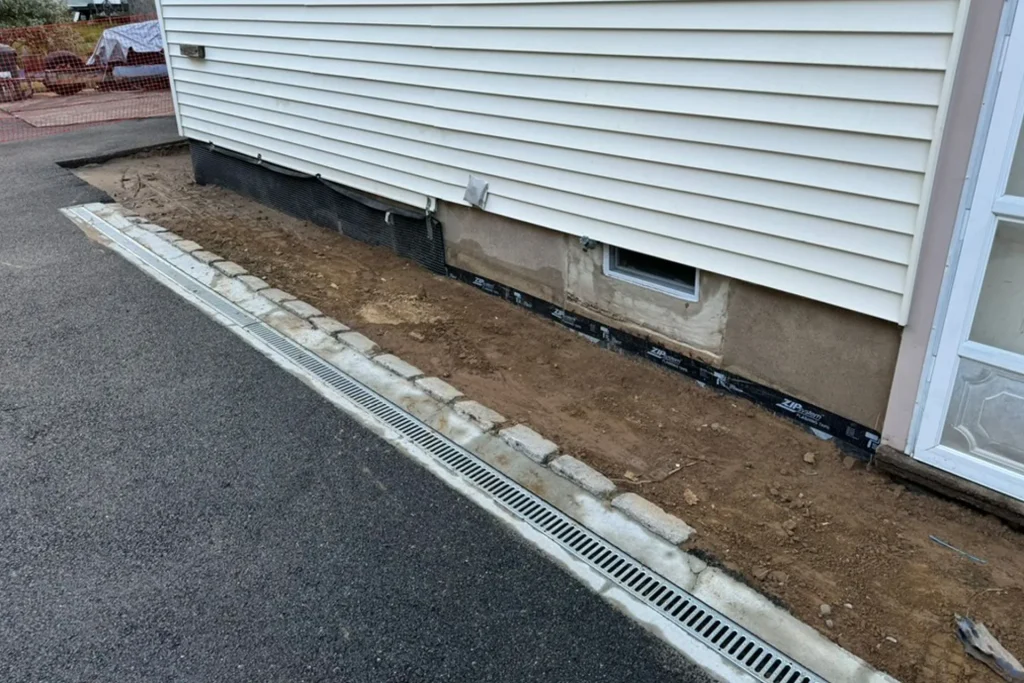
True waterproofing is usually about pressure relief and water control. That may mean intercepting groundwater before it reaches the basement wall, giving it a path to a perimeter drain, then moving it away with gravity or a sump pump. On the outside, it can mean excavating to apply a membrane and drainage board, replacing clogged footing drains, and correcting the slope so water sheds away from the house instead of collecting at the foundation.
One practical example: a basement with puddling after heavy rain, damp lower wall sections, and no meaningful cracking often points toward a drainage problem more than a structural one. In a case like that, improving downspout discharge, regrading the soil, and installing a perimeter drainage system may solve most of the issue. The structure may be perfectly sound. It is just wet.
What foundation repair actually includes
Foundation repair is structural work. It can involve helical piers, https://collindtwp710.rivertonbrief.com/posts/best-waterproof-coatings-and-sealants-for-basement-walls push piers, wall anchors, carbon fiber straps, steel braces, underpinning, slab stabilization, or partial rebuilds in severe cases. The exact method depends on what is moving, why it is moving, and what kind of soil and foundation the house has.
Settlement is one of the most common triggers. A section of footing loses adequate support because the soil beneath it compresses, erodes, dries out, or was never compacted properly in the first place. The result may show up as stair-step cracks in brick, doors that rub, uneven floors, gaps at trim, or diagonal cracks above windows and door openings. In more severe cases, one corner of the house visibly drops.
Wall failure is another category. Basement walls can bow inward under lateral soil pressure, especially where expansive soils hold moisture or where surface runoff keeps the soil saturated. A vertical crack that stays unchanged for years is one thing. A horizontal crack along the middle third of a masonry wall, paired with inward movement, is a different conversation entirely. That is where structural reinforcement becomes the priority.
Repair methods are not interchangeable. A sump pump will not straighten a bowing wall. A pier system will not stop surface water from leaking through cold joints or floor cracks. This sounds obvious, yet many homeowners get sold one system as if it solves every basement problem. It does not.
Where the confusion comes from
The confusion starts because water and structural distress often appear together. A wet basement can have wall cracks. A settling foundation can create new pathways for seepage. A bowed wall often leaks right where the pressure is greatest. People see water and assume waterproofing is enough. Or they see cracks and assume the whole house is failing.
In reality, professionals separate the symptoms into categories, then figure out cause and effect. Did water exposure contribute to the structural issue? Did movement create the leak? Are both being driven by the same exterior drainage problem? These distinctions shape the repair plan.
I once looked at a basement where the owner had spent money on repeated interior patching. Every spring, the same crack would leak. They thought they needed a better sealant. The real issue was a combination of clogged gutters, a downspout dumping at the corner, and heavy clay soil staying saturated against the wall. Over time, the wall had started to move inward. They did need Basement Waterproofing, but they also needed structural stabilization because the pressure had already done damage. If they had addressed the drainage two years earlier, the structural work might have been much lighter.
Signs you may need waterproofing, repair, or both
A quick symptom check can point you in the right direction, even though it is not a substitute for an on-site evaluation.
- You are likely looking at waterproofing if you notice seepage after rain, standing water, efflorescence, condensation, musty odors, or moldy storage boxes without major visible wall movement.
- You are more likely looking at foundation repair if you see widening cracks, bowing walls, sloping floors, sticking doors, separated trim, or brick cracks that stair-step along mortar joints.
- You may need both when a basement wall is cracked and leaking, when water pressure is clearly contributing to movement, or when settlement has opened pathways for repeated intrusion.
- You should act quickly if a horizontal wall crack, significant inward deflection, or sudden new movement appears, especially after a wet season.
Those categories are not perfect, but they capture the difference better than marketing terms do.
Waterproofing does not mean “make it bone dry forever”
This is one of the biggest misunderstandings in the field. Basement Waterproofing aims to manage water realistically. A basement sits below grade. Soil holds moisture. Groundwater levels change. Concrete is porous. The objective is not magic. The objective is to control water entry, reduce humidity, and protect the space from recurring damage.
That distinction matters because homeowners often compare very different systems as if they promise the same outcome. An interior drainage channel with sump discharge manages water after it reaches the perimeter. An exterior membrane and footing drain seek to block and redirect water before it reaches the wall. A dehumidifier controls airborne moisture but does not stop seepage. A crack injection may stop one leak point but will not resolve widespread hydrostatic pressure.
Each system has a context where it makes sense. An unfinished basement used for utilities and storage can often perform perfectly well with a well-designed interior drainage setup and humidity control. A fully finished lower level with flooring, drywall, and living space may justify more extensive exterior work if access and budget allow. The answer depends on use, risk tolerance, and what the water is actually doing.
Foundation repair is not automatically catastrophic
People hear “foundation problem” and imagine a condemned house. Most of the time, it is not that dramatic. Many homes develop some cracking over time. Some movement is cosmetic. The challenge is knowing when movement is ordinary aging and when it indicates loss of support or increasing lateral pressure.
Width, direction, location, and progression matter. A hairline shrinkage crack in poured concrete is common. A crack that opens enough to fit a coin, changes season to season, or is paired with displacement is more concerning. A block wall leaning inward is not a cosmetic issue. Neither is a footing that has settled enough to throw interior finishes out of alignment.
Structural repairs also vary greatly in scale. Carbon fiber reinforcement for a stable but slightly bowed wall is very different from installing multiple steel beams, wall anchors, or deep foundation piers. The phrase “foundation repair” covers a wide range of work, from moderate stabilization to major correction.
How water creates structural trouble over time
Water is patient. That is what makes it expensive.
When soil around the house repeatedly becomes saturated, it gets heavier and exerts more pressure on foundation walls. In freezing climates, trapped water can contribute to frost-related soil expansion. In clay-heavy soils, wet periods cause swelling and dry periods cause shrinkage, creating a repeating cycle of push and pull. Where drainage is poor, fine soil can migrate, leaving voids that reduce support under slabs or footings. If gutters dump near the base of the home, one corner may be dealing with a completely different moisture load than the rest of the structure.
Over five or ten years, those conditions can turn what started as “just a little dampness” into a much larger problem. This is why good contractors ask about seasonality. Does the basement leak only after long rains? Does the crack worsen in late winter? Did the sticking doors begin after a drought? Those details often reveal the relationship between water and movement better than a snapshot inspection alone.
How an honest assessment should work
A careful assessment starts outside, not in the middle of the basement floor. Grade, downspouts, hardscape slope, gutter performance, retaining walls, window wells, and surface drainage patterns all matter. Then the foundation type, crack patterns, wall plumbness, slab condition, and interior moisture signs come into focus.
A good evaluator should be able to explain what they see in plain terms. They should tell you whether the issue is active or historical, whether moisture is a symptom or a driver, and what the repair is trying to accomplish. If every house somehow needs the same package, be cautious.
These are the questions worth asking during that conversation:
- What is the root cause of the moisture or movement?
- Is the problem active, seasonal, or old and stable?
- If we only waterproof, what structural risk remains?
- If we only repair the structure, what water issue remains?
- What maintenance will the system require over the next few years?
Those five questions can cut through a surprising amount of sales language.
The cost difference, and why the cheapest fix often fails
Prices vary by region, access, soil conditions, house size, and finish level, so broad numbers are just that, broad. Minor crack sealing may cost hundreds, not thousands. Interior drainage and sump systems often land in the several-thousand-dollar range. Exterior excavation and full-perimeter waterproofing can climb much higher because labor, access, restoration, and drainage replacement add up quickly. Structural repairs can range from a few thousand for localized reinforcement to tens of thousands when piers or extensive wall stabilization are needed.
The reason cheap fixes fail is usually straightforward. They treat the visible symptom but not the force behind it. Covering a wet wall does not lower exterior water pressure. Installing piers does not redirect roof runoff. Replacing flooring without solving humidity simply invites mold and repeat damage. It is not that lower-cost options are always wrong. It is that they must match the mechanism of failure.
Which one should happen first if you need both?
This depends on the severity and the relationship between the issues. If the structure is actively moving or a wall is unsafe, stabilization takes priority. Safety and structural integrity come first. If water pressure is clearly contributing to that movement, the drainage plan should be coordinated immediately, not treated as an afterthought.
In less urgent cases, exterior water management often comes first because reducing moisture load may prevent further deterioration and can sometimes limit how much structural intervention is needed. That said, if a wall has already bowed beyond a certain point, drying the soil alone will not reverse it. The movement has to be addressed directly.
The best projects are sequenced, not fragmented. For example, a homeowner might first improve grading and downspout discharge, then install wall stabilization, then complete interior drainage and humidity control before refinishing the space. Another house might need interior water control first to make the basement usable and monitor conditions, followed by targeted structural work once measurements confirm ongoing movement. Context matters.
The basement finish can hide the truth
Finished basements complicate diagnosis. Drywall, paneling, flooring, and built-in storage can conceal staining, cracks, and minor wall displacement for years. By the time the damage appears indoors, the underlying issue may be well advanced.
If a lower level smells persistently musty, if baseboards swell, if flooring cups, or if the bottom edge of drywall shows discoloration, it is worth looking behind finished surfaces. The same goes for cracks that seem to “telegraph” through wall finishes more than once after being patched. Recurrent cosmetic damage is often the house asking for a more honest repair.
What homeowners can do before calling for major work
Not every wet basement or crack means an immediate large project. There are practical first steps that can clarify the situation. Extend downspouts well away from the house. Make sure gutters are not overflowing. Check whether soil slopes toward the foundation instead of away from it. Remove heavy mulch buildup that traps water at the wall. Track when moisture appears, and photograph cracks with dates so you can tell whether they are changing.
These basic observations are useful even when you bring in a professional. They provide timeline, pattern, and context. They also help separate chronic site drainage issues from one-time plumbing leaks or condensation problems.
The right fix is usually more boring than the sales pitch
Basement problems tempt dramatic language. Homeowners are anxious, the stakes feel high, and basement systems are easy to oversell because most people cannot see what is happening underground. But the right answer is often methodical rather than flashy. Manage roof runoff. Relieve pressure. Stabilize movement where necessary. Control humidity. Match the remedy to the mechanism.
That is the real difference between basement waterproofing and foundation repair. One is focused on keeping water under control. The other is focused on keeping the house structurally sound. They are related, sometimes tightly, but they are not interchangeable.
When you understand that distinction, the next steps get clearer. A damp basement does not automatically mean structural trouble. Cracks do not always mean disaster. What matters is whether the water is the problem, the structure is the problem, or both are feeding each other. Once that is identified, the repair plan has a chance to work the first time.
ARD Waterproofing
98 Smull Ave, West Caldwell, NJ 07006, United States
+1 917-691-8411
FAQ About Basement Waterproofing
Can you 100% Waterproof a Basement in West Caldwell?
A properly designed system can substantially reduce basement water intrusion, but no method can promise protection against every flood, equipment failure, or future change in site conditions. The first step is identifying whether moisture comes from surface runoff, groundwater, plumbing, or condensation. Solutions may include grading and gutter improvements, drainage, foundation repairs, and a sump system. Review the specific coverage and exclusions of any written warranty.
How much does it cost to professionally waterproof a basement in NJ?
There is no single price that fits every basement. Cost depends on the cause of the leak, the area needing work, access, excavation requirements, drainage design, sump equipment, and restoration of disturbed finishes or landscaping. Request an on-site assessment and an itemized written estimate that explains the scope, exclusions, and maintenance requirements before comparing proposals.
How long does foundation waterproofing last in West Caldwell, NJ?
Service life varies with the waterproofing materials, installation quality, soil and water conditions, and maintenance. Drainage components and pumps may require servicing or replacement even when other parts of the system remain functional. Keep gutters, drainage outlets, and sump equipment maintained, and have recurring leaks or changes in foundation condition assessed. Ask for product-specific expectations and written warranty terms rather than relying on one lifespan for the entire system.